


[email protected]
On 23 May 2025, President Trump signed a series of Executive Orders aimed at restoring US leadership in nuclear energy and accelerating deployment of advanced reactor technologies. The Executive Orders directed federal agencies to streamline approvals, strengthen domestic nuclear fuel supply chains and support the criticality of at least three advanced reactor designs by America’s 250th Anniversary on July 4th 2026.
Caption: President Donald Trump signs Executive Orders on Nuclear Energy
Last week, the first advanced reactor in the US Department of Energy Reactor Pilot Program reached this milestone. On the 4th of June 2026 the Antares Nuclear's Mark-0 microreactor successfully achieving criticality at the Idaho National Laboratory.
Criticality occurs when a reactor achieves a self-sustaining nuclear chain reaction. It is a fundamental milestone in reactor development and demonstrates that the reactor's core systems are functioning as designed. The Mark-0 is the first privately developed non-light-water reactor to reach criticality in the United States in more than 40 years.
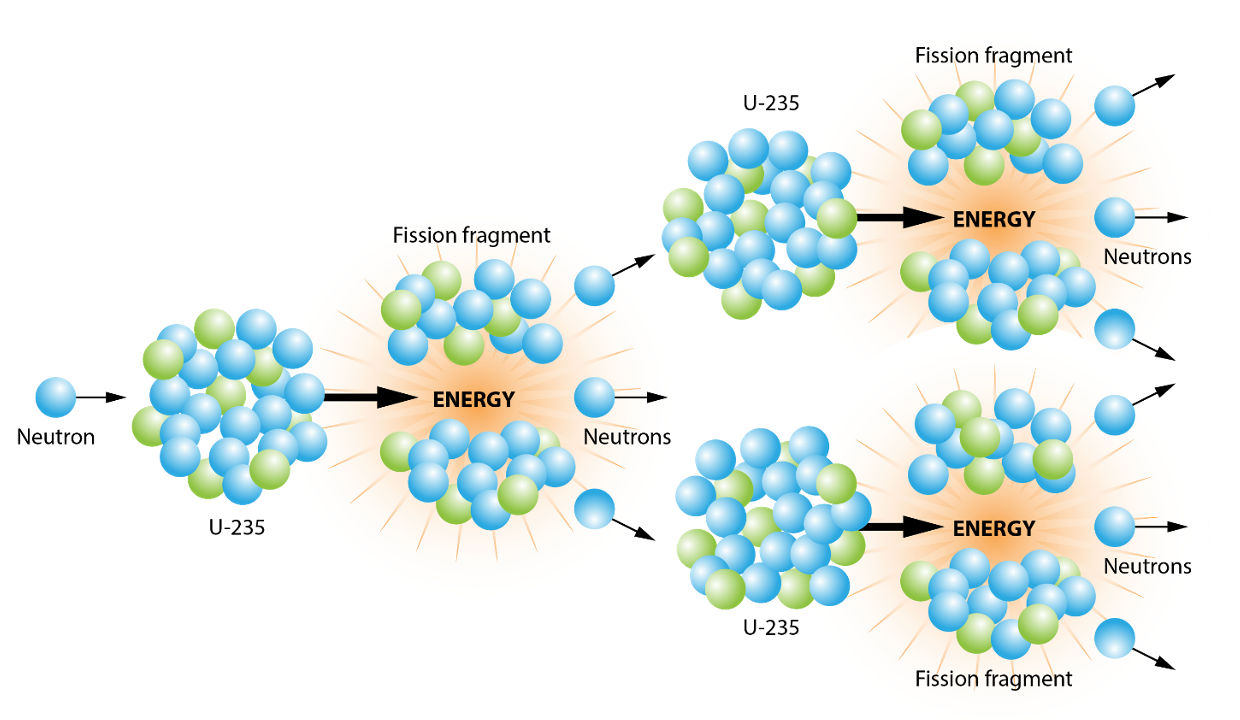
Caption: Diagram of nuclear fission Credit: Idaho National Labratory
Antares’ Mark-0 microreactor will produce between 100 kW and 1 MW of electricity, compared to traditional large nuclear reactors that produce around 1000MW (1GW) of electricity. Because of their small size, microreactors like the Mark-0 are often described as "nuclear batteries", designed to provide continuous, low emissions power for various applications including remote communities, data centres, mining operations, space and defence facilities. In fact, NASA currently has plans for a microreactor on the moon by 2030.
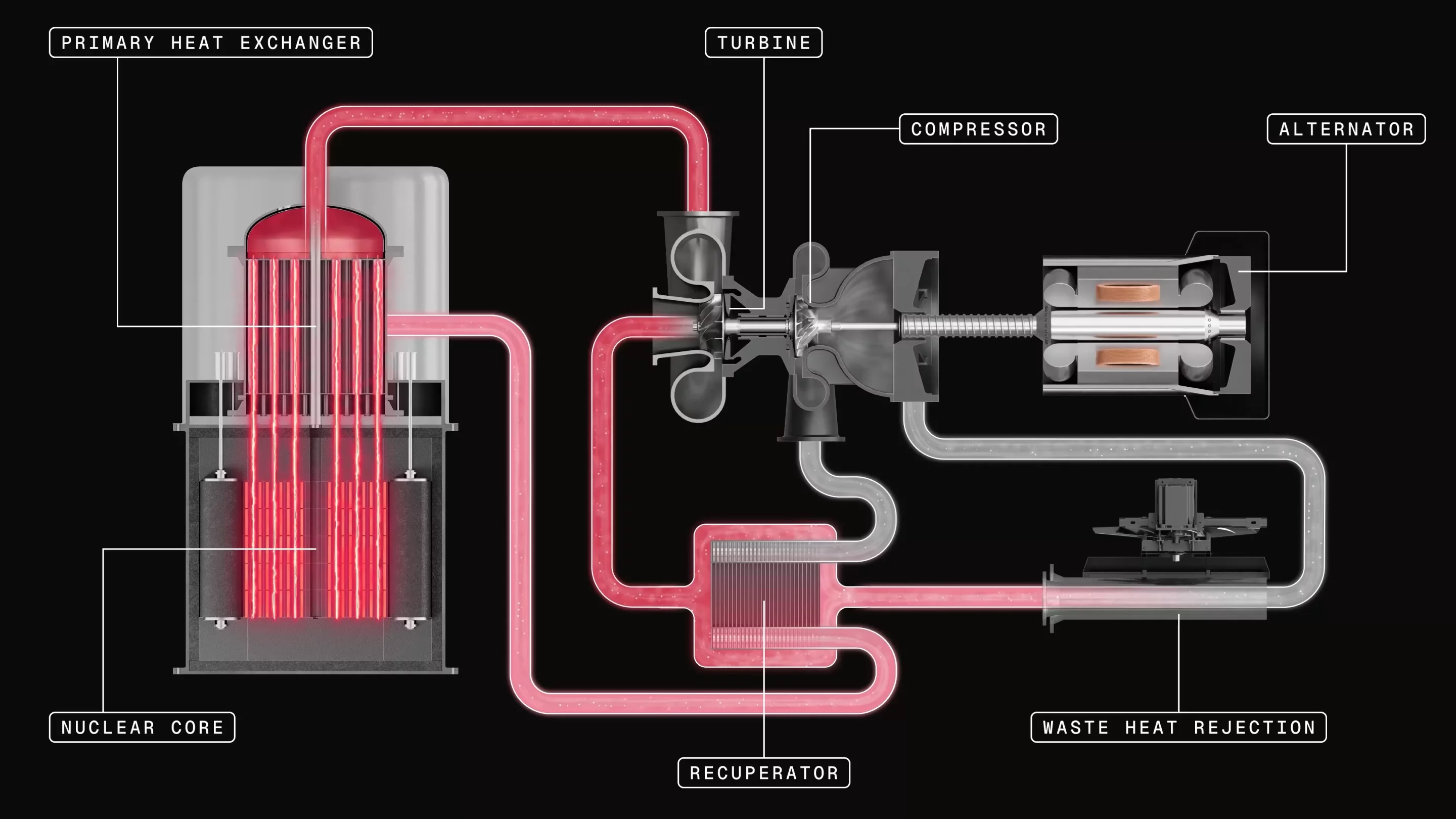
Caption: Diagram of the Antares Mark-0 reactor Credit: Antares
For Australia, this development is particularly significant. Many of our remote industries currently rely on diesel generation, which can be expensive and emissions intensive. Microreactors offer the prospect of around-the-clock, low-emissions power with reduced fuel logistics and long refuelling intervals. Microreactors could also be easier to finance than large reactors requiring a lower upfront investment making it possible for the private sector to back development.
Australia is the only Top 20 economy with a ban on nuclear power. The ban means that reactors like the Mark-0 are illegal. As advanced reactor technologies continue to mature, Australia risks falling further behind if the legislative barriers are not lifted.