
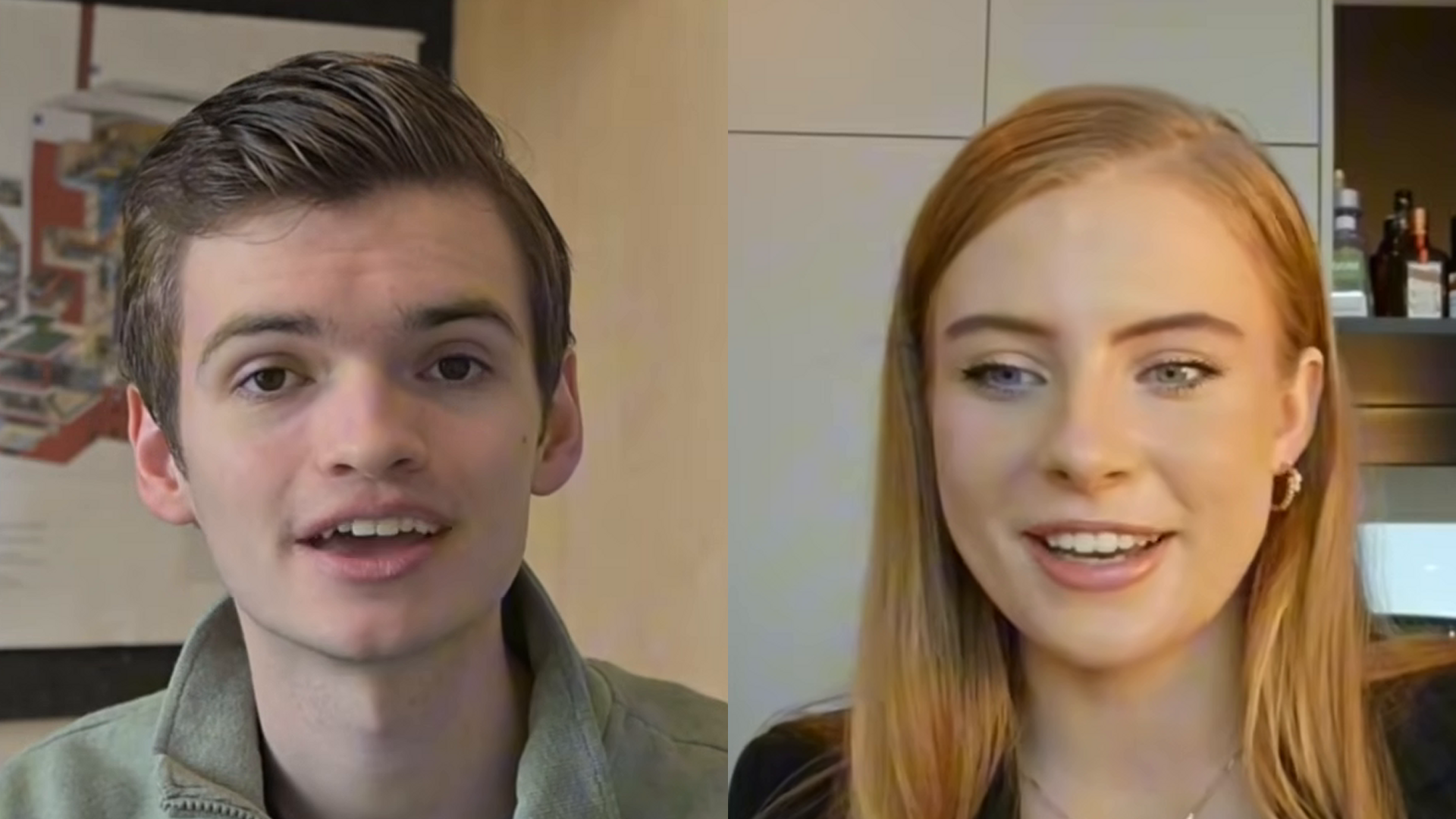
Nuclear for Australia founder Will Shackel joined Louisa McMonigal on THELMSHOW to discuss Australia's nuclear power ban, common misconceptions about nuclear energy, and its potential role in Australia's future energy security.
https://www.youtube.com/watch?v=7wI-wHJXFZo
Interview Transcript:
Louisa McMonigal (Host): What's up guys? Welcome back to [inaudible]. It has been a minute, but today we are talking about nuclear energy, which is probably one of the most misunderstood topics in Australia's energy debate. And despite it being used in more than 30 countries around the world, Australia remains one of the few countries with a legislative ban on nuclear power. But look, with electricity demands increasing, questions being raised about our reliability and affordability of our energy supply, and countries around the world investing heavily into nuclear technology. I think it's a conversation we really need to be having. So today I'm joined by Will Shackel from Nuclear for Australia to unpack exactly why Australia has a ban on nuclear energy, where some of the misconceptions around nuclear actually came from, and whether nuclear could be a part of the solution of Australia's future energy needs. We'll get into the economics, the safety concerns, how long it would realistically take to get a nuclear power industry up and running here, and why countries around the world are increasingly turning towards it. There's a lot to unpack, so let's get into it. Well, hello Will. Thank you so much for joining us on THELMSHOW. How are you?
Will Shackel (Founder of Nuclear for Australia): Thanks for having me. Very good.
Louisa McMonigal (Host): That's good. All right. Well, let's just jump straight into it. So, you know, before we get into the science and the politics and the sort of economics of nuclear energy, just tell us a bit about yourself. You know, how did you get into this sector? How did Nuclear for Australia start?
Will Shackel (Founder of Nuclear for Australia): Yeah, so I started this when I was 16 back in high school. I'd been doing some school assignments on nuclear energy and being really fascinated by it. I think particularly nuclear's energy density, facts like [inaudible] a gummy bear's worth of uranium being able to produce as much energy as a ton of coal I think you know facts like that were really eye opening to me and I started to do a bit more research on on it. I set up a social media page, a petition that grew quite quickly and here I am a few years later and nuclear for Australia is the leading grassroots advocacy organization for nuclear power. We've got over 120,000 people who've signed our petition to lift the bans on nuclear power in Australia and I think we're starting to make some really good progress but there's certainly a lot of work still to do with Australia's nuclear laws where they're at.
Louisa McMonigal (Host): Well, and like you said, you know, sounded like you started off, you got some traction online. Is that right?
Will Shackel (Founder of Nuclear for Australia): Yeah. And then really started to get.
Louisa McMonigal (Host): into it.
Will Shackel (Founder of Nuclear for Australia): Yeah. For sure. Initially social media where I guess you of course also get you know a lot of traction and I think that's a you know great medium for change these days and as most young people do when they're grieved with issues I started sharing my views about nuclear there and trying to educate people about it. So that was a great vehicle for me in making sure my voice was heard on this issue.
Louisa McMonigal (Host): and you can get out to so many people now. You know, you find a topic and people are interested into it and it looks like right now in Australia a lot of people are coming over to nuclear energy and being like wow why do we actually have a ban on nuclear energy when so beneficial and is low emissions and it's quite a clean energy source. And when I was sort of, you know, preparing for this interview, that's something that I found like quite interesting and like that seems like there's a bit of a contradiction here where it's like why do we even have a ban when so beneficial? So what's what's your sort of thoughts on that?
Will Shackel (Founder of Nuclear for Australia): Well, look, Australia introduced two federal nuclear prohibitions in the late '90s and you know it wasn't actually good policy. So to start off with, they were introduced in the late '90s. The first one was horse trading in order to get funding for Australia's research reactor. It was debated on the last day of parliament in the middle of the night for around 10 minutes. So the bans were not, you know, based on good policy. It was it was just a sign of politics and it's left Australia in a situation where we've frankly got the most anti-nuclear laws in the world. So they weren't evidence-led. It was ideologically based. There was deals done by the coalition government at the time with the Democrats in the Senate and I think it's got really disappointing consequences because it restricts Australia from one of the cleanest, safest most reliable energy sources and when you look around the world many countries and private companies are choosing to invest in it because it also provides affordability in a balanced energy system. So I think Australia's nuclear bans, you know, have been hugely consequential. I wish they were in weren't introduced at the time, but certainly, you know, spending all of my efforts trying to get them lifted now so that we can have the option on the table.
Louisa McMonigal (Host): Sure. And I mean, like going back sort of in the past, you know, that's how the ban came about. Like you said, it was a bit more ideologically driven, you know, maybe something more about politics rather than about science itself. What's sort of your perspective right now on the ban? like are people are politicians that you're talking to are they coming across now being like well looking at the science like this does make sense are they supporting lifting the ban more what's been your sort of experience there?
Will Shackel (Founder of Nuclear for Australia): I'd say so. So the two major opposition parties the coalition and one nation are both in support of lifting Australia's nuclear prohibitions and you know that's really exciting to see that commitment remain but in addition I think there's been quiet quietly within Labor parts of that party as well in government acknowledged that Australia's nuclear power bans make no sense. You know, in fact, there was some reporting in Politico Australia a couple of weeks ago saying that they've internally admitted that the bans no longer stack up, particularly with rising electricity demand from data centers. So, I think there are certainly parts of the government who are waking up to the fact that the nuclear power bans probably have to go which is good to see. And you know, we recently did polling as well that showed that I believe over 60% of Australians think we should consider nuclear power. So the public is certainly warming up to the conversation. As I said earlier, we've had over 120,000 people sign our petition to lift Australia's nuclear power bans. And I think there's a broadening consensus as well politically that you know we shouldn't have a ban on a clean energy source in Australia that really could help contribute to our rising electricity demand at a time where obviously there are huge pressures on our energy system.
Louisa McMonigal (Host): Yeah. No, for sure. And just sort of going back a little bit, you know, where does that disconnect sort of come from between, you know, nuclear environmental benefits and the opposition it's faced in the environmental movements even?
Will Shackel (Founder of Nuclear for Australia): Yeah, I think unfortunately for a long time the environment movement has been opposed to nuclear power and the reason for that is largely because of other nuclear applications such as nuclear weapons and typically you know you've seen the environment movement move from anti-nuclear weapons causes to anti- nuclear in general and that unfortunately often captures nuclear power as well. So there's unfortunately a deeply rooted ideological opposition to anything nuclear within parts of the environment movement. Even you know there's opposition within Australia's environment movement to our research reactor at Lucas Heights which produces life-saving nuclear medicines. But I think fortunately we're seeing some pragmatism from the environment movement parts of it around the world. The Greens in England and Wales recently overturned their opposition to nuclear power. The Finnish Greens have for quite some time been supportive of nuclear power as have other progressive parties such as UK Labor, the Democrats in the United States. even some environment organizations in other countries are starting to turn as well. And there's the notable example of WePlanet in Australia, an environment organization which is pro-nuclear as well. So I hope that the environment movement will you know wake up to nuclear power as being you know beneficial to their cause because at the end of the day it's got the lowest life cycle emissions of any energy source. It has incredibly low land footprint compared to other energy sources and we're seeing the effects of high land footprint energy sources on some of our agricultural and ecological areas in Australia at the moment. and then in addition to that it requires the least amount of resources because of nuclear power’s energy density. You need far less mining and you produce far less waste than other energy sources. So it's al it's an environmentalist dream. if they choose to embrace it.
Louisa McMonigal (Host): And I mean going sort of through that, you sort of need to go to the Greens and being like, hey, like why are you actually opposing this? You know, it's actually beneficial. Like you're talking about net zero and you're talking about all these other, you know, reusable and renewable sort of energy sources and you're not talking about nuclear energy as much, but going back on that, do you reckon like there's been some propaganda around nuclear energy? I mean, we've had major incidents globally with Chernobyl and Fukushima. You know, how do you reckon that sort of contributed to the rhetoric that's attached to nuclear energy?
Will Shackel (Founder of Nuclear for Australia): I think nuclear is probably the most misunderstood energy source and probably one of the most misunderstood topics out there and that's unfortunately been to due to some of the misrepresentation of its history. there's certainly been incidents in the past with nuclear power which deserve attention and that the industry should learn from. those being mainly Three Mile Island Chernobyl and then Fukushima which was recent in Japan. I think the important thing though is that there have been lessons learned and it's reflected in modern nuclear technologies. So there's been no meltdown of a nuclear reactor built in the last 40 years. In all of those cases, those were older technologies. In the case of Chernobyl, it was a combination of old technology, them running experiments on it and then having a terrible response to the accident which caused really unnecessary human health impacts. but these days, the reactor technologies that exist include passive safety systems allowing them to shut down without human intervention. there's modern regulatory processes in place. Indeed, Australia has nuclear regulators ourself in ARPANSA and ASNO which are responsible for our research reactor and uranium mining export industry. And I think the other good thing is there's been global cooperation. So the International Atomic Energy Agency is the UN body in charge of nuclear matters and they help ensure that nuclear safety is fostered around the world and lessons learned are shared. and I think that's been a really helpful institution as well. So I think in summary I think a lot of these incidents have been taken out of context but it's good to see that safety there are a lot of advances in that space and to just give you an idea of nuclear powers safety record nuclear is actually estimated to have saved 1.84 million lives by offsetting fossil fuel pollution. And according to Our World in Data is statistically the second safest energy source when you factor in the events of Three Mile Island, Chernobyl and Fukushima. no one died from radiation at either Three Mile Island or Fukushima. In fact, people would probably be surprised to learn that at Three Mile Island, the radiation exposure to the local residents from that incident was less than a chest X-ray. In fact, I was actually there last year because one of the reactors is currently being started up by Constellation in partnership with Microsoft to power their data centers. So, there's a lot lot of misunderstandings about nuclear power. think it's important that people remain focused on the facts, you know, what can be learned from some of these past episodes and we're in a great position in Australia with our debate where we could now benefit from advanced nuclear technologies which you know have learned from those lessons in the past.
Louisa McMonigal (Host): And I mean sort of just going back to the misconceptions and sort of public perception it goes back to that contradiction that we're sort of talking about at the start with you know there's a ban on nuclear energy it doesn't really make sense why there would be a ban but going back public perception. Have you found like maybe in your marketing that it's been sort of hard to get through to people because you have like pop culture like the Simpsons. I know it sounds silly, but you know they're extremely popular. They first aired I believe 3 years after the Chernobyl incident. So there was a lot of you know stigma around is that basically a propaganda source about nuclear energy and being very anti-nuclear. but how have you found sort of marketing wise to really get through to people being like, don't get your information off the Simpsons, actually look at the facts. How have you sort of found that?
Will Shackel (Founder of Nuclear for Australia): Well, it's funny. I've actually never watched a Simpsons episode in full. Maybe I should. I've watched much of the other nuclear pop culture stuff, the Chernobyl HBO series, which was quite good television. the Netflix series as well. But I think what I would actually say is that the pop culture has probably moved on a bit on nuclear and I think that's been a positive thing. Certainly things like the Simpsons are not helpful for the conversation, you know, depicting nuclear operations in the way they did from my understanding. I don't think Homer would be operating a nuclear power plant. the people I've met in the control rooms of nuclear power plants seem a lot more professional at face value. but you know I I would say that recently there's been a real shift in the pop culture. well just in the culture generally on nuclear power which is excellent which is why we're seeing you know the environment movement and progressive politics also support nuclear power. even Katy Perry has been on the record recently as being pro- nuclear. So I think there is that shift happening especially with the next generation embracing science being able to have a clean look at the technology and assess it on its merits particularly with the challenges that our generation is facing with energy affordability rising electricity demand climate change so I think there is a bit of a movement happening and that's why there is a bit of a generational shift in attitudes as well occurring on the issue which is yeah fantastic to see.
Louisa McMonigal (Host): it's definitely interesting when you have to sort of battle with that pop culture and sort of be like, "Look at the facts, guys. Don't listen to The Simpsons." but sort of bringing it back to Australia a little bit, I've seen like a lot of frustration with people being like, "If we actually looked at nuclear energy 15 years ago, we would have a nuclear power plant. We would be pumping, you know, we would be more reliable in our energy sources." have you sort of found that frustration with people being like, "Well, now we're sort of [inaudible] on the back foot a little bit. Now we have to get started." And, you know, how long would it realistically take to construct a nuclear power plant?
Will Shackel (Founder of Nuclear for Australia): Well, I'm told by some people in the older generations that that argument about, you know, we should have done nuclear 15 years ago has been happening for decades and decades. And, you know, it would have been fantastic to have nuclear power earlier, but the next best opportunity is now. and we should get started. And Australia's got excellent foundations for a nuclear power industry. So there's multiple things going on in our advantage. First of all, we've got existing nuclear regulators and ARPANSA and ASNO. Those would have to be resourced properly to license and regulate civil nuclear power plants, but we have that institutional architecture already in place. Next, we've got decades of experience in operating research reactors at Lucas Heights in Sydney since the 50s. So over 60 years of safe operations of nuclear reactors albeit much much smaller than conventional reactors and for research not power production recently actually the OPAL nuclear reactor in Sydney celebrated its 20th anniversary which was really exciting to see.
Louisa McMonigal (Host): Yeah sure.
Will Shackel (Founder of Nuclear for Australia): And in addition to that we've got the most uranium in the world. So we've got a very successful uranium export industry.
Louisa McMonigal (Host): Yeah.
Will Shackel (Founder of Nuclear for Australia): And finally, we are developing a nuclear submarine program, AUKUS. And I think that's particularly important for creating foundations for nuclear power because there's multiple things where there's benefits for benefits and synergies for nuclear power there. First of all, in workforce development. So, we are now training up and bringing in lots of nuclear engineers and other skills which would be relevant. the nuclear supply chain is also being established. and in addition to that I think also the familiarity among politicians and the public as well with nuclear is also being established because of the submarine program. So I think the first thing to say is that we've got very very strong foundations which would mean we're not starting from scratch on nuclear in Australia but certainly for a new to nuclear country there is an investment of time that would be required for the first reactor. The International Atomic Energy Agency's milestone approach says a new to nuclear country like Australia can typically have its first reactor in 10 to 15 years. I think Australia is in is in a much better position with those foundations to be on the quicker side of that spectrum. But in addition that is that 10 15 years is for large reactors. If we were talking about deploying small modular reactors or micro reactors, the time frames would be significantly reduced because it's much quicker to build one of those smaller reactors. So I think you know we we've got very strong foundations. We should capitalize on them. and at the end of the day there will always be a role I believe for nuclear power in Australia's energy system. We're going to have to replace a lot of our grid anyway in the next few decades because solar panels and wind turbines will only last so long. we've got coal plants shutting down across the country. So we better start now and make that investment because once you then build your you know nuclear power plants they can last for you know 80 years even potentially up to a century. So it's a generational investment but we must start as soon as possible.
Louisa McMonigal (Host): Yeah know for sure. And with that sort of investment aspect, how much do you reckon this would cost us?
Will Shackel (Founder of Nuclear for Australia): Well, it really depends on technology preference and the large nuclear reactors are usually in the billions or tens of billions of dollars. for those small modular reactors and micronuclear reactors, you're reducing the cost. I think it's fair to say anyone in nuclear would have to agree with this that the upfront cost of nuclear power is incredibly high. There are reductions being made because there's been in recently in the west there's been a lot of projects where you've had first of a kind reactors these new technologies which have been deployed for the first time and finally then we're now starting to see them deployed in fleets and those costs are eventually coming down like you know and there there are other countries particularly you know South Korea, China, Russia who have had continuous nuclear programs where that that upfront cost has been reduced. But the economic case for nuclear is not in the upfront cost compared to other energy sources. It's the long-term generational system cost benefits. And there's multiple reasons why nuclear power is beneficial for affordability in an energy system. First of all, you don't need many nuclear power plants and you don't have the siting constraints of having to find the most sun and wind. So you can connect in most cases to existing transmission infrastructure the power lines to bring the electricity back to the people and that's a significant cost saving. Then you because of its reliability you don't need the same firming infrastructure to make sure that there's still power when you know the sun isn't shining or wind isn't blowing a nuclear plant is always running if it's operating at its you know maximum economic potential and that reduces the cost of expensive batteries and gas on the system and finally then you've got that long-term benefit. So whereas other kinds of electricity such as solar, wind, even coal, you know, have a reduced operating lifespan, nuclear power plants, they're built to last, and like I said earlier, they can last for, you know, potentially 80 years, maybe even 100 years as some of the discussion happening now. So it's a generational investment. in the same time you'd be having some of those other energy sources, you'd have, you know, having to replace them multiple times and those costs adding up, you can have a nuclear power plant constantly running. So, I think, you know, there's many reasons why we would consider it on the economics and that's why so many countries are investing in nuclear power. 39 countries are signed the global pledge to triple nuclear power capacity globally by 2050. There are multiple major tech companies including Meta, Google, Amazon, Microsoft who are all investing their money into nuclear power at the moment and that's because it makes sense as an economic energy solution.
Louisa McMonigal (Host): Yeah. Know for sure. And now sort of like going political partywise, I think we've seen the economic sort of management of the Labor government. you know Chris Bowen's whole snowy hydro management after the libs introduced it you know2 billion now it's like $26 billion so what sort of political party would you want to first and foremost lift the ban on nuclear and then really roll out this sort of way forward.
Will Shackel (Founder of Nuclear for Australia): yeah I would say so nuclear for Australia is nonpartisan and I think that's really important because a successful nuclear power program is going to need the support of as many parties as possible we've got short election cycles in Australia. We want to have continuity to make sure that there aren't disruptions. You know, say if a new government got in place and then ripped up all the progress that was made, that would be very unhelpful and probably would result in nuclear power being too expensive and taking too long. So I would say that in general it should be any political party and I'd welcome any political party in particular you know Labor if they change their mind on nuclear power and decide to lift the ban that would be a fantastic step and you know be hugely supportive of them doing that joining their UK colleagues and democrats in US in terms of progressive politics but at the moment the only parties which the only major parties which are committed to lifting the nuclear the prohibitions in Australia are the coalition and one nation. so that's currently the situation at the moment. But I think in general and this has always been my goal and you know how we do our engagement is meeting with all sides of politics trying to facilitate that conversation across party lines because that is how it has to happen at the end of the day and there is no reason why Labor shouldn't embrace nuclear power. They're spending hundreds of billions of dollars on nuclear-powered submarines. So, small nuclear reactors floating around our coastline for our national security. Why can't they have small nuclear reactors on land for our energy security? There are so many contradictions with the current policies. So, I think it's time for frankly the politics to get out of the debate, remove the ideology and to have all political parties actually have some consensus around this issue.
Louisa McMonigal (Host): Yeah, for sure. And I think it's like quite interesting that point there because it's like we're doing this for Australia, you know, whatever's best for our energy security. If your nuclear energy is the best way forward, you know, let's have the Australian people actually agree with that and that's the way forward. And you know, like you said, we have the AUKUS submarines floating around our coast already sort of pissing off the Greens Party. You know, we might as well have nuclear energy on our land. So, yeah. No, I completely agree with that. And just sort of going around like when you put all of that together. So, we're sort of setting ourselves up right now for I would say a bit of an energy shortfall. We've seen with this Iran war, you know, that's really disrupted our supply chain specifically for our fuel. But what well with sort of our energy as a whole sort of what do you reckon Australia's situation is right now? How serious is our energy shortfall?
Will Shackel (Founder of Nuclear for Australia): I'd be very concerned. So currently AEMO, the market operator of the east coast grid predicts that electricity demand will about double by 2050. I think it's likely that that will be far exceeded because basically every year the data center energy demand growth projections are just being brought forward. there's gigawatts and gigawatts of data centers in the pipeline. And by the way, a gigawatt of electricity capacity wise is about the same as would be needed for a million homes. So it's a significant amount of energy we're talking about. And it's not just data centers, it's also electrification. People often forget that the electric cars, everything else that we're trying to electrify in a in Australia will require a lot of electricity and that needs to come from somewhere. And unfortunately the government is behind on its renewable energy targets by quite quite a lot their 82% renewable targets. So the current energy plan is not working. It's not getting there for our current projections. I doubt it will get there for those increased projections. So, we're going to need as many options on the table as possible and I think that includes nuclear power because it is an energy source that can be scaled to meet some of those huge demands and it is why nuclear power is being invested in so heavily around the world to meet those rising electricity demands. I think the other benefit of nuclear power is it provides you know that energy sovereignty that everyone is talking about at the moment but the fact that we'd be able to you know produce that energy who knows if we invest in the nuclear fuel cycle here perhaps you know with Australian nuclear fuel would be really really beneficial and obviously the reliability as well is an investment in our energy security as well so I just think It's important that at a time like this where there's so many challenges ahead of us in our energy system. Why would we be ruling out viable options which are used around the world? I think it's a you know great hubris on the part of the government to not be considering nuclear power pretending that the current pathway is fine when in reality we need to have all clean energy options in the mix.
Louisa McMonigal (Host): Yeah, for sure. And now sort of, you know, what would you sort of say to someone who's been a bit skeptical of nuclear energy? You know, just an everyday Australian going about their day and haven't really researched nuclear that much and may have just watched a Simpsons episode and thinks, you know, it's Homer mucking around in the lab. what would you sort of say to them about nuclear energy?
Will Shackel (Founder of Nuclear for Australia): Well, nuclear energy is a proven energy source used in over 30 countries including some of Australia's closest partners such as the United States, United Kingdom, Finland, France. In the example of France, around 70% of their energy comes from nuclear power and that's resulted in lower power bills, significantly lower emissions than their European counterparts. they're now investing in more nuclear power there, and it's really paid dividends for them. And you know, many of the listeners have probably been to France, might have realized that they have so much nuclear power in their grid. but that that that is just something that, you know, they now take for granted is all of these benefits from their nuclear power industry they've got there. and meanwhile, their neighboring Germany, they shut down their nuclear power plants. they replaced it with coal. Their emissions went up. are now higher than France's. and they've got they're shutting down industry. they've you know had issues with their power bills. and the German government's had to announce that it was a major strategic mistake for them to shut down their nuclear power plants. So that's a bit of a case study of what to do and what not to do in the example of France versus Germany. But there are just so many examples around the world of how modern nuclear technology is being used. I think, you know, why can't we do it in Australia? there's so many examples for us to look to. Like I said, we've got strong foundations for the technology. We've got guard rails in place to make sure whatever is built here is safe. And with the modern technology available to us, there is no doubt that the technology we would have in Australia would be incredibly safe and far safer, frankly, than our current energy technology. So at the end of the day, it's just why can't we have this as an option in Australia and that requires lifting Australia's nuclear power bans.
Louisa McMonigal (Host): Yeah, for sure. And also, you know, we have the resources. We have like the largest uranium sources, you know, that's known in the world. Like we have the potential, we have the opportunity, we have, you know, the potential to have reliable electricity. You know, we really need to harness it now. So, thank you so much for coming on this interview. Would you like to say anything else before we wrap up?
Will Shackel (Founder of Nuclear for Australia): Well, thank you so much for having me and if anyone would like to, you know, get involved in the movement for nuclear, please sign our petition at nuclearforaustralia.com. would be great to get over 150,000 signatures to lift the bans on nuclear power. But I've really enjoyed the conversation and hope that people, you know, are able to do their own research as well to come to their own conclusion on the prospects of nuclear power in Australia.
Louisa McMonigal (Host): Yeah, for sure. So guys, make sure you check out that petition and I'll link all your Instagrams and everything in the bio down below. So yeah, thank you so much for this interview and I hope to catch up soon.
Will Shackel (Founder of Nuclear for Australia): Thanks, Louisa.
Louisa McMonigal (Host): Well, there you have it, guys. And I think one of the biggest takeaways from this conversation is that we really need to be like willing to look at nuclear energy on its merits rather than allowing like decades of political arguments and misconceptions to dictate the conversation. Whether you're sort of for or against nuclear, I think it's important that Australians actually understand what we're debating, particularly when we're talking about something as fundamental as our future energy security. Cuz look, at the end of the day, we need reliable, affordable energy. And we need to be looking at every available option to us. So, a big thank you to Will for coming on THELMSHOW and taking the time to have this conversation. If you'd like to learn more or get involved in the campaign to lift Australia's nuclear ban, I'll leave the Nuclear for Australia petition and Will's links in the description down below. And as always, thank you for watching. If you enjoy this conversation, make sure you subscribe to THELMSHOW and I'll see you all in my next one. Thanks, guys.
This transcript was generated with the assistance of AI and may contain errors.