

Neil Harlapur
Policy & Research Assistant
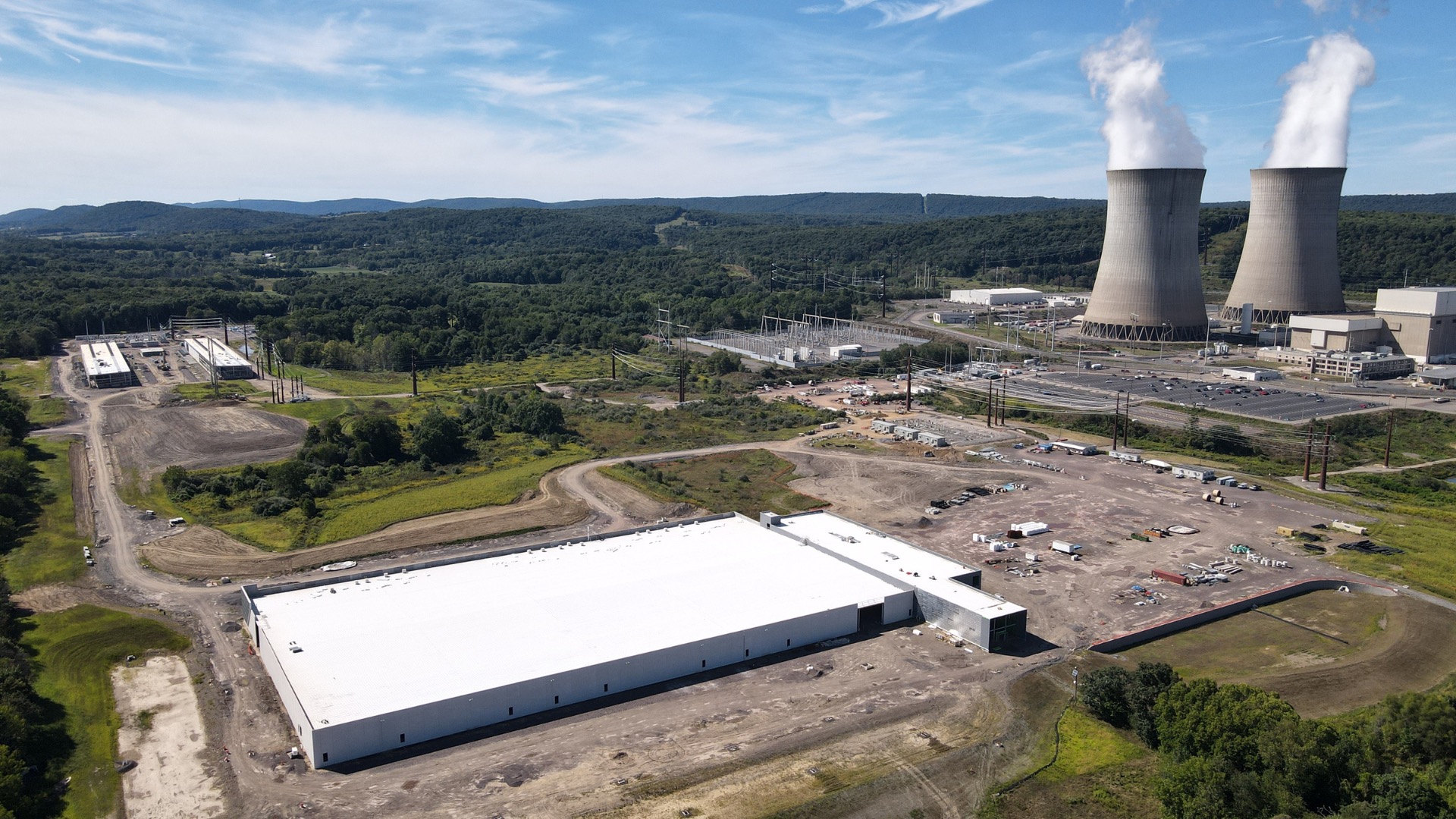
This month, Nuclear for Australia made a submission to the Senate Environment and Communications References Committee Artificial intelligence and data centres inquiry, calling for nuclear energy to be included in the mix to meet forecasted data centre electricity demand.

Key findings:
- Australia's electricity demand is set to nearly double by 2050, largely driven by data centre energy consumption. Australia was the second largest destination for data centre investment globally in 2024, and data centres are expected to grow from 3% of Australia's grid-supplied electricity currently, to 13.4% of the grid by FY36.
- Data centres require a highly reliable electricity supply. Lapses in supply can disrupt business operations, freeze services and impose severe costs on operators. Operators prioritise jurisdictions that can deliver reliable electricity at scale, 24/7.
- Internationally, governments and technology companies are increasingly turning to nuclear energy to respond to rising data centre electricity demand.
- Major technology companies including Microsoft, Google, Amazon, OpenAI, Nvidia and Meta have announced initiatives involving nuclear energy to ensure stable electricity supply.
- Nuclear energy has a capacity factor over 90% in the US, well positioning it to meet the stable demand required for data centres.
- Australia's legislative prohibitions on nuclear power increasingly place the country at a competitive disadvantage relative to jurisdictions that utilise a broader range of firm low-emissions sources to support data centres.
- There are a variety of nuclear power technologies that are positioned to meet both short and long-term data centre energy demand. Multiple microreactors have recently achieved criticality in the US and could realistically be deployed by 2035 in Australia. Large nuclear reactors and small modular reactors could be deployed to meet longer term demand.
- Nuclear For Australia recommends that policymakers repeal federal nuclear power prohibitions and adopt a genuinely technology-neutral approach that allows all low-emissions electricity technologies to be assessed on their own merits to meet data centre demand.
Next Steps
The committee is currently holding hearings. Following these hearings, it will produce a report providing recommendations to policymakers. Nuclear for Australia has asked the committee to consider inviting nuclear experts to provide evidence. The committee is due to report its findings to the Senate by the 16th of November 2026. Submissions have now closed. To learn more about the inquiry click here. Nuclear for Australia's submission is No.185.